
What Is a Lanyard?
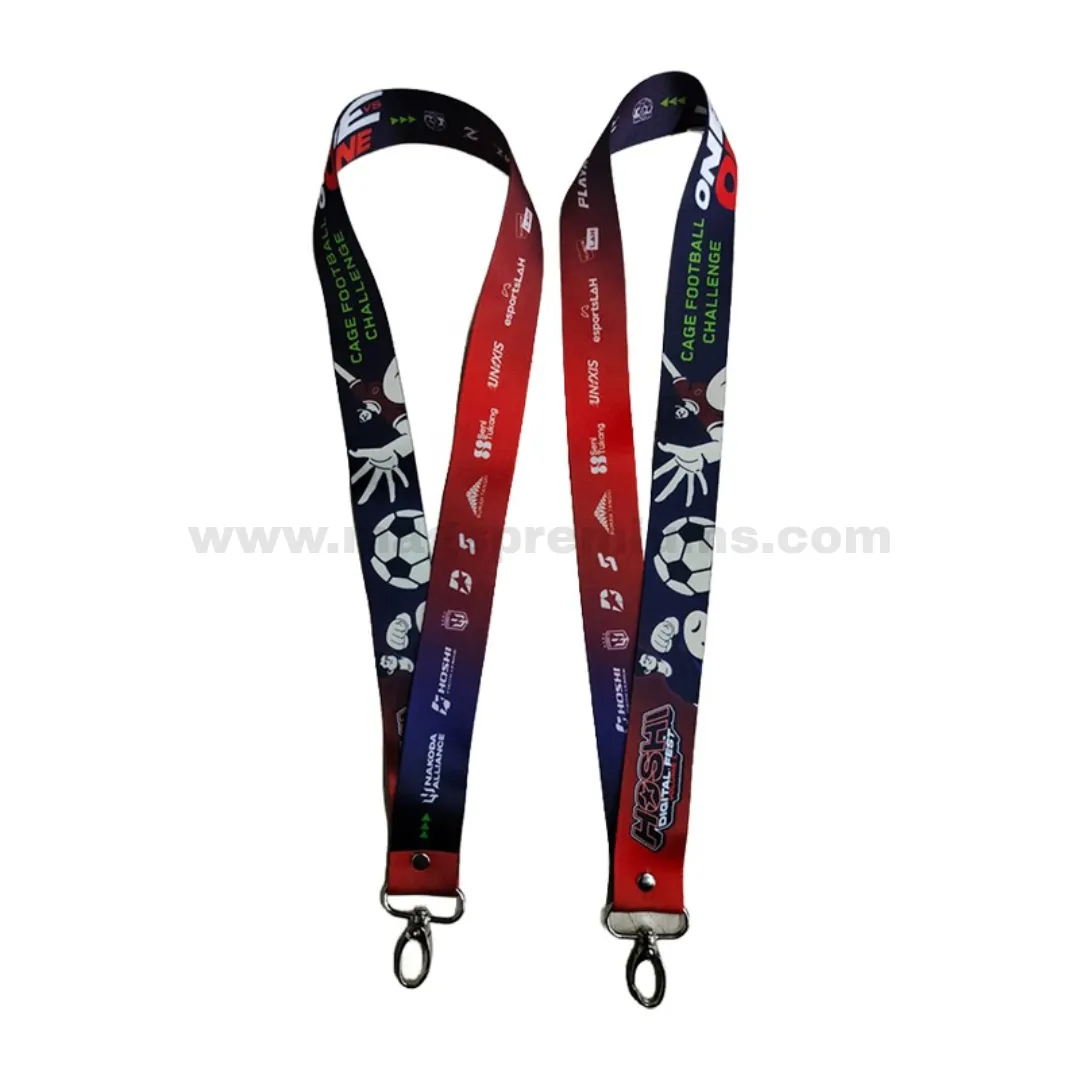
A lanyard is a strap or cord commonly worn around the neck, wrist, or shoulder to hold items such as ID cards, access cards, keys, whistles, or small tools. Lanyards are widely used by companies, schools, events, exhibitions, hospitals, and government organizations for identification and convenience.
Today, custom printed lanyards are also used as a branding and promotional tool, allowing companies to display their logos, slogans, and brand colors professionally.



What Is a Lanyard Used For?
Lanyards are commonly used for:
- Employee ID cards
- Event passes
- Access cards
- School identification
- Visitor badges
- Keys and small tools
- Promotional giveaways
- Conference and exhibition badges
Many organizations in Malaysia use custom lanyards during events and daily office operations because they are practical, affordable, and professional-looking.
Common Types of Lanyards
Polyester Lanyard
Polyester lanyards are one of the most popular and affordable options. They are durable and suitable for everyday corporate use.
Nylon Lanyard
Nylon lanyards have a smoother and shinier surface, giving a more premium appearance.
Tubular Lanyard
Tubular lanyards are lightweight and budget-friendly, commonly used for large events and campaigns.
Woven Lanyard
Woven lanyards feature logos stitched into the material, making them highly durable for long-term use.
Heat Transfer Lanyard
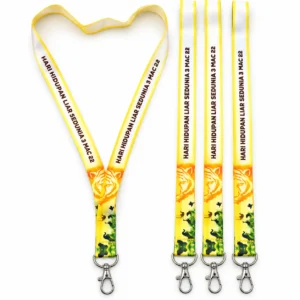
Heat transfer printing allows full-color artwork, gradients, and complex logo designs with higher printing detail.



Common Lanyard Attachments
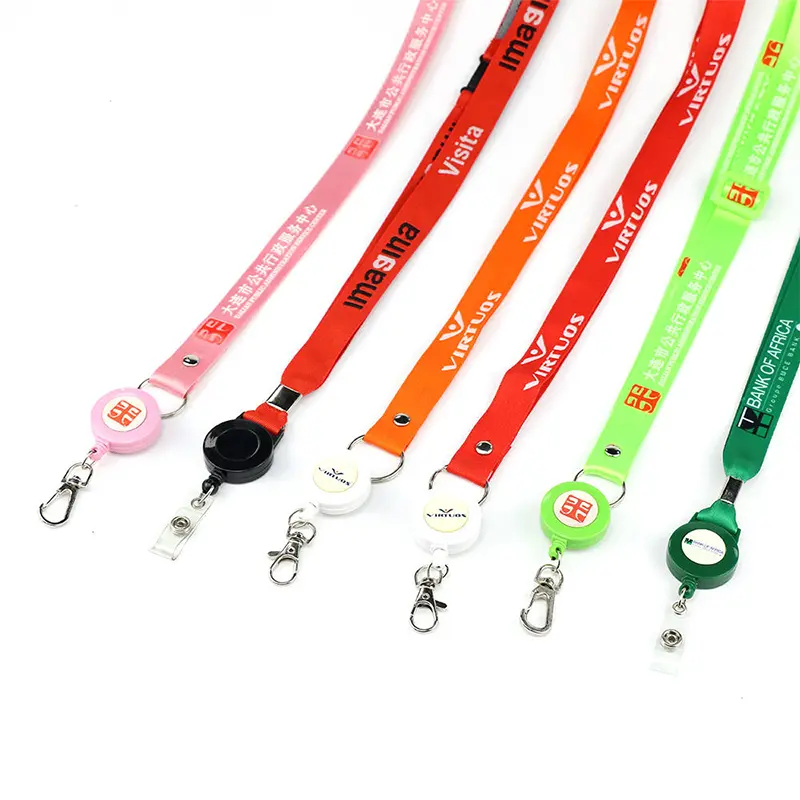
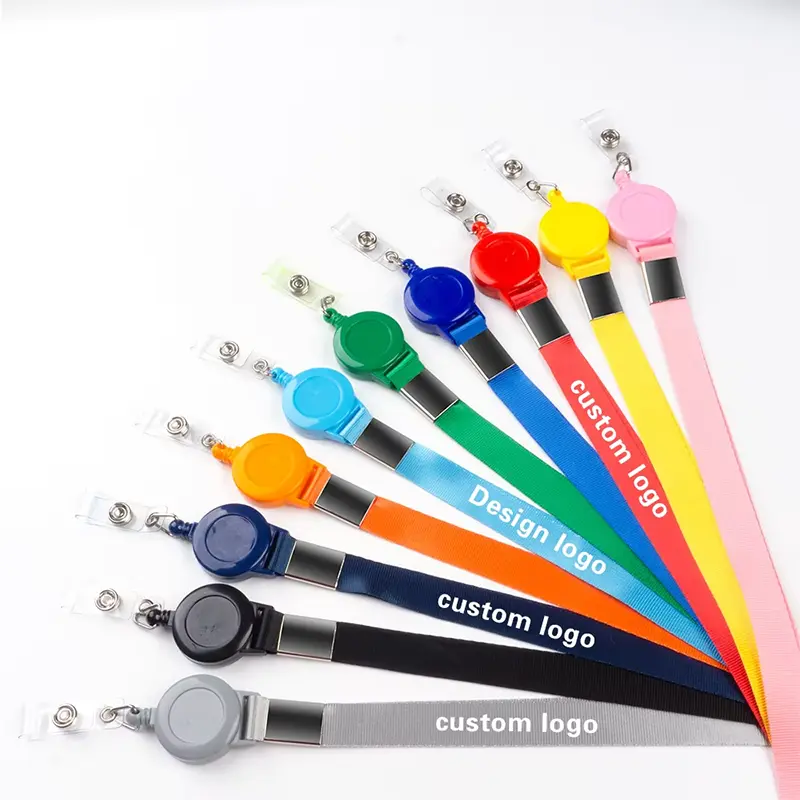
Different lanyards come with different attachment options depending on usage.
Popular attachments include:
- Metal hook
- Swivel hook
- Bulldog clip
- Safety buckle
- Breakaway clip
- Phone holder attachment
- Card holder
- Retractable reel
Choosing the correct attachment helps improve convenience and safety.
Common Lanyard Attachments
| Width | Common Usage |
|---|---|
| 10mm | Lightweight use |
| 15mm | Standard corporate use |
| 20mm | Most popular size |
| 25mm | Premium branding visibility |
How to Choose the Right Lanyard
When selecting a lanyard, consider:
- Printing quality
- Material durability
- Comfort for daily wear
- Logo visibility
- Attachment type
- Quantity required
- Event or corporate usage
For exhibitions and conferences, heat transfer lanyards are popular due to their vibrant full-color printing.
For daily office use, polyester lanyards are usually the most cost-effective option.
Custom Lanyard Printing in Malaysia
Many Malaysian companies customize lanyards with logos for branding, staff identification, and promotional purposes. Custom lanyards can be produced in different colors, materials, widths, and printing methods depending on the requirement.
If you are looking for custom lanyard printing for corporate events, schools, exhibitions, or employee ID usage, choosing the correct material and printing method is important for both durability and presentation quality.
Browse our full lanyard printing Malaysia range to compare materials, widths and printing methods before you order.


What is a lanyard used for?
A lanyard is mainly used to hold ID cards, access cards, keys, or event passes. It is commonly worn around the neck for easy identification and convenience in workplaces, schools, hospitals, and events.
What are the different types of lanyards?
Common types include polyester lanyards, nylon lanyards, tubular lanyards, woven lanyards, and heat transfer lanyards. Each type differs in durability, printing quality, and appearance.
What material is best for lanyards?
Polyester is the most commonly used material because it is durable, affordable, and suitable for printing logos. Nylon is preferred when a more premium and glossy finish is needed.
What accessories can be added to a lanyard?
Lanyards can come with different attachments such as metal hooks, swivel hooks, bulldog clips, safety buckles, or card holders depending on usage needs.
What size is a standard lanyard?
Most lanyards are around 900mm in length when worn in a loop. The width usually ranges from 10mm to 25mm depending on design preference and branding visibility.